
Favorite Equipment for Demolition Service Operations
Enhance your project outcomes with proven machinery and tools favored by industry experts.
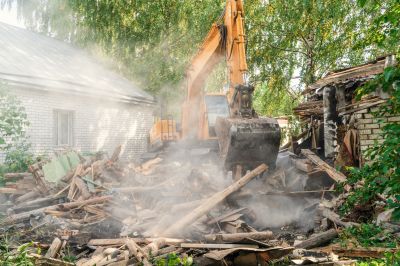 Demolition services in Fort Walton Beach, FL, require a diverse array of tools and equipment to handle various project scopes, from small interior demolitions to large-scale structural removals. Selecting the right products can improve efficiency, safety, and precision during demolition tasks. Whether working on residential, commercial, or industrial sites, having access to appropriate tools is essential for achieving desired outcomes while maintaining safety standards. This guide provides an overview of key products used in demolition services, highlighting their roles and considerations for selection.
Top Overall Option
Multi-Purpose Demolition Tool Set
A comprehensive demolition tool set that includes a variety of hand tools, power tools, and safety accessories designed for versatility and durability. Ideal for both small-scale and larger projects, this set provides the essential equipment needed to tackle different demolition tasks efficiently while maintaining safety standards.
Types of Products For Demolition Service
Handheld Sledgehammers
Heavy-duty tools used for breaking concrete, brick, and other tough materials manually.
Pry Bars and Crowbars
Leverage tools essential for prying apart materials and removing nails or fasteners.
Rotary Hammers
Power tools designed for drilling and chipping concrete and masonry surfaces.
Demolition Drills
Specialized drills used to create holes or weaken structures before removal.
Hydraulic Breakers
Heavy machinery attachments that deliver powerful impacts for breaking large structures.
Wall Cutters and Saws
Tools for precise cutting of walls, concrete, and other building materials.
Dust Extraction Systems
Equipment to control dust and debris during demolition work.
Safety Helmets and Gloves
Protective gear to ensure worker safety on demolition sites.
Dust Masks and Respirators
Respiratory protection to prevent inhalation of harmful dust particles.
Concrete Crushers
Machines designed to crush concrete into manageable sizes for removal or recycling.
Excavator Attachments
Hydraulic tools like shears and grapples for large demolition tasks.
Floor and Wall Jacking Systems
Equipment used to lift and support structures during partial demolitions.
Scaffolding and Support Systems
Structures to provide safe access and support for demolition work at height.
Popular Choices
Portable power tools favored for their mobility and ease of use.
Versatile tools for prying and removing materials with leverage.
Attachments like shears and breakers widely used for large-scale demolition.
Complete sets including helmets, gloves, and masks for comprehensive safety.
Power tools designed for precise and efficient concrete cutting.
Devices that help maintain a cleaner and safer work environment.
Corded or cordless tools suitable for breaking concrete and asphalt.
Traditional tools preferred for delicate or detailed demolition tasks.
Mobile units that provide powerful impact for various demolition scenarios.
Essential for working at heights safely during demolition.
Equipment used to stabilize structures during partial demolition.
Tools and machinery designed for efficient debris management.
Equipment for excavation and utility line removal in demolition projects.
Power sources for remote or site-specific demolition work.
Machines specialized in removing flooring materials quickly.
Key Buying Considerations
- Project scale and scope to determine the appropriate size and power of tools.
- Material types involved, such as concrete, wood, or metal, influencing tool choice.
- Site conditions, including space constraints and accessibility.
- Safety features and certifications to ensure compliance with standards.
- Power source options, such as corded, cordless, or pneumatic tools.
- Ease of handling and ergonomic design for operator comfort.
- Durability and build quality of the equipment for long-term use.
- Availability of replacement parts and maintenance services.
- Compatibility with existing tools and attachments.
- Budget constraints balanced with quality and performance needs.
- Environmental considerations, including dust and debris control options.
- Training and user manuals available for safe operation.
- Reputation and reviews of the equipment or supplier.
- Warranty and after-sales support for peace of mind.
- Transportability and storage options for equipment management.